
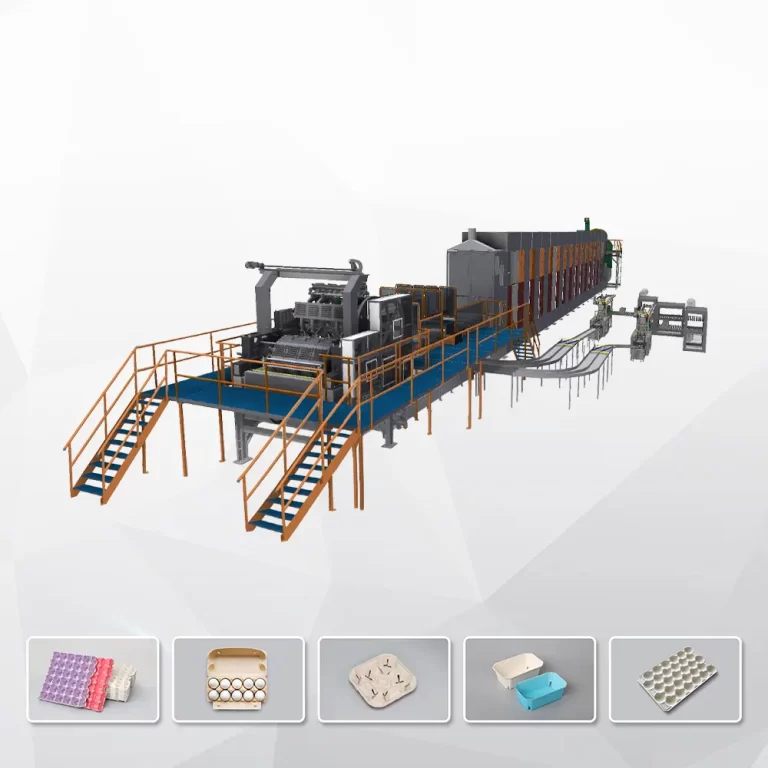

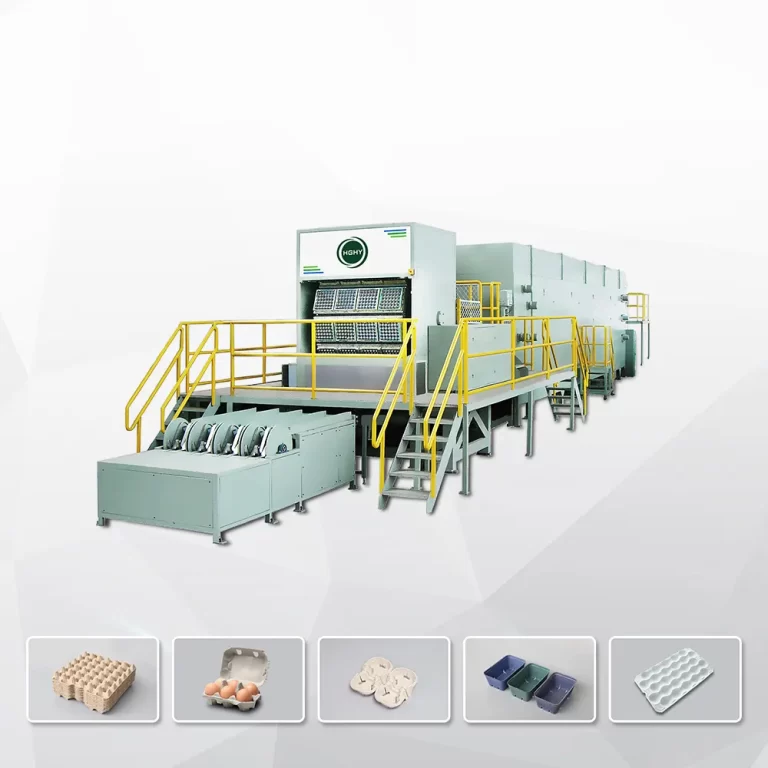

Overview and Market Background
Suriname is a small country located in the northeastern part of South America, rich in natural resources, particularly oil, gold, bauxite, and timber. Despite these resource-rich advantages, Suriname’s manufacturing and infrastructure sectors remain underdeveloped, and many goods, including packaging, are still reliant on imports.
In recent years, driven by global environmental trends, Suriname has been actively exploring sustainable alternatives, particularly in the area of packaging materials. Pulp molding and egg tray machines are seeing increasing demand, mainly due to the push from environmental policies, international pressure, and the need for local production alternatives.
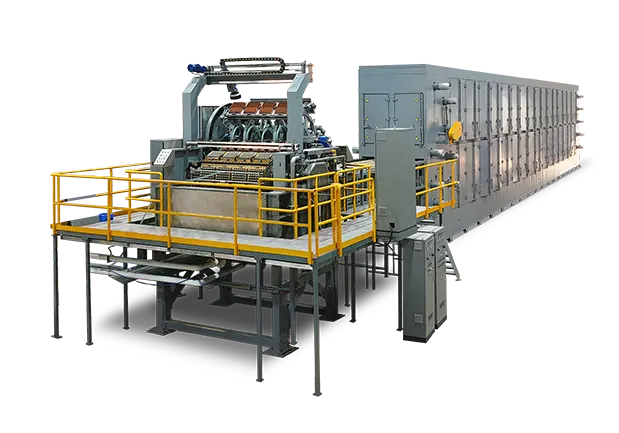
Market Demand and Potential
1. Egg Tray Market Demand
- Stable egg consumption: Suriname’s egg consumption is stable and is primarily used for domestic and restaurant purposes. As agricultural production increases, so does the demand for packaging.
- Demand for plastic alternatives: Historically, Suriname has relied on plastic and foam packaging for eggs. However, due to plastic restrictions, there is increasing demand for environmentally friendly packaging. Pulp molding products, which are biodegradable and recyclable, present an ideal alternative to plastic.
- Dependence on imports: Currently, most egg trays are imported into Suriname, particularly from neighboring countries. Therefore, local production has significant market potential, which would reduce reliance on imports and increase market competitiveness.
2. Policy and Environmental Push
- Environmental policies: Global environmental trends are influencing Suriname. As plastic packaging becomes more regulated, pulp molding packaging has become a sustainable solution. The government is supporting the use of biodegradable and eco-friendly materials.
- International market pressure: As a small country, Suriname is also impacted by the increasing demand for environmentally friendly packaging from major export markets such as the EU and USA.
3. Local Production Capacity and Recycling System
- Waste paper resources: Although Suriname’s recycling system is not yet fully developed, there is a substantial amount of paper, cardboard, and packaging waste that can be used for pulp molding production. Recycling waste paper can help reduce production costs and mitigate environmental pollution.
- Wood pulp resources: Suriname’s rich forest resources also provide a steady supply of wood pulp, which can be used for pulp molding production. With lower raw material costs, local production becomes increasingly competitive.
Market Challenges and Risks
1. Equipment and Technical Requirements
- Suriname’s manufacturing sector is relatively underdeveloped, and local technical expertise is limited. There will likely be a need to import significant equipment and technical support. To ensure efficient production and consistent product quality, investing in advanced egg tray machines and automated production lines is crucial.
2. Small Market Size
- Suriname has a relatively small population of about 600,000, so its market size is limited. However, this also means there is less competition, providing an opportunity for tailored products to meet specific market needs.
3. Logistics and Infrastructure
- Suriname’s logistics system is somewhat underdeveloped, especially in regions far from the capital and the port. This could result in higher logistics costs. A thorough evaluation of the supply chain is necessary to ensure that raw materials reach the production site on time.
IV. Investment Recommendations and Market Positioning
1. Market Positioning
- Small to medium-scale production lines: Considering Suriname’s market size, it’s recommended to invest in semi-automatic or medium-scale egg tray production lines that can meet local demand while having some export capability.
- Key products: Focus on producing 30-hole egg trays, cup holders, and other common food packaging products to meet both local and export demands.
2. Supply Chain and Raw Materials
- Waste paper recycling: Utilize local waste paper resources by establishing recycling networks and partnering with local recycling companies to lower raw material costs.
- Wood pulp sourcing: Given Suriname’s forest resources, it’s advisable to source wood pulp from local suppliers to reduce dependence on imports.
3. Government Collaboration and Environmental Support
- It’s recommended to collaborate with the Suriname government and environmental organizations to secure environmental subsidies and government support, enhancing the company’s image as a socially responsible business while benefiting from policy advantages.
4. Regional Expansion and Export Opportunities
Neighboring market reach: Suriname’s strategic location makes it an ideal hub to export to Guyana, French Guiana, and other Caribbean nations. By setting up a centralized production facility, export opportunities can be expanded through port access.
Conclusion
The Suriname egg tray machine market holds great potential, especially given the environmentally friendly packaging demand, the import substitution trend, and the growing agricultural consumption. Localized production can not only meet domestic demand but also extend to neighboring markets, creating a competitive edge. While challenges exist in terms of technology, equipment, and infrastructure, Suriname’s resource advantages and government support for environmental policies make it an attractive market for investment.
If you are interested, I can help further by:
- Writing a detailed “Egg Tray Machine Market Opportunity in Suriname” article for marketing or investment purposes
- Creating a market comparison report between Suriname, Guyana, and French Guiana
- Drafting a business proposal or investment pitch for potential partners or investors
