
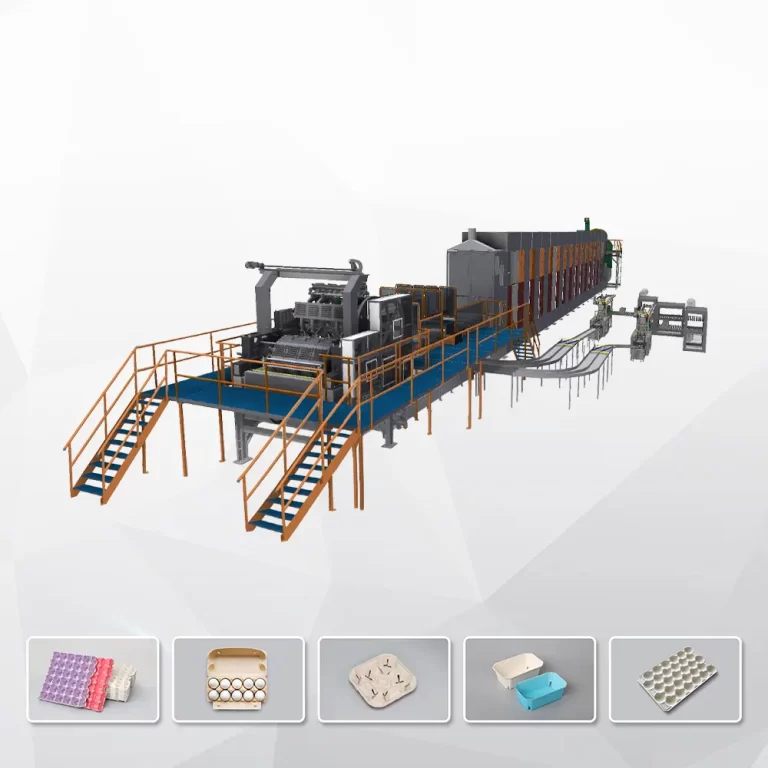
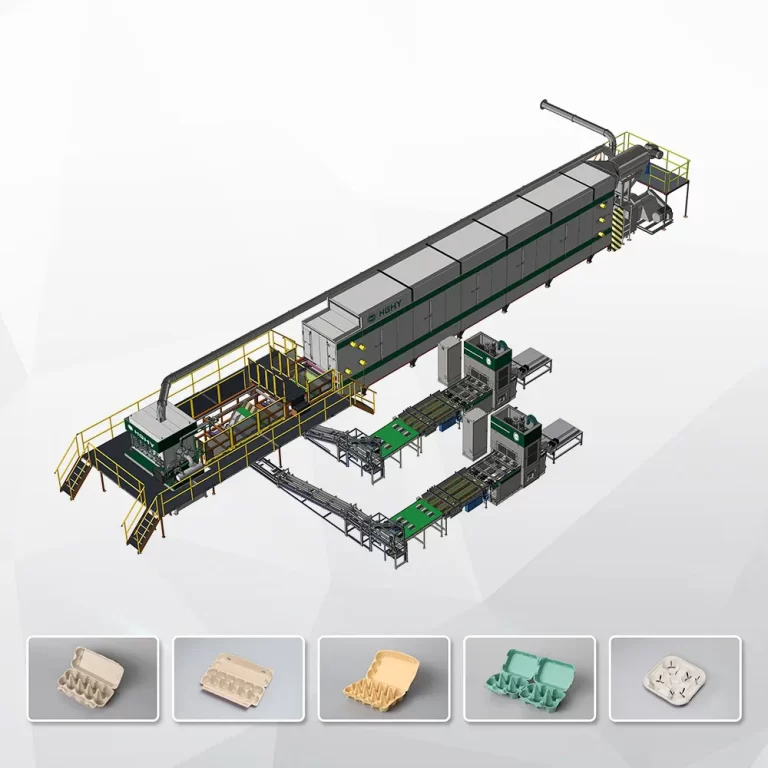
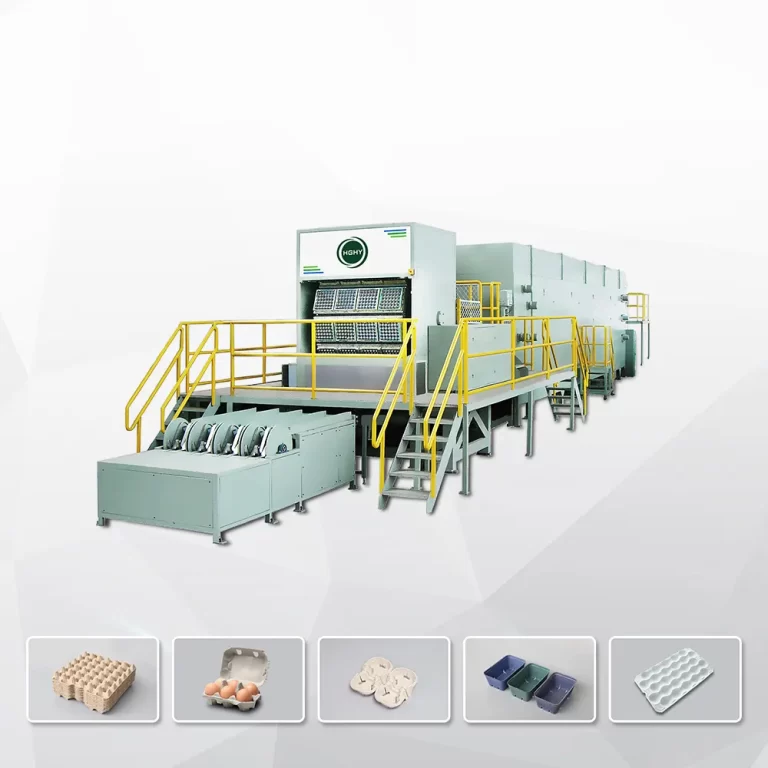

As environmental awareness and sustainability initiatives continue to rise in the United States, traditional plastic inserts are increasingly being replaced by molded pulp inserts. From electronics to consumer goods, food and beverages to precision instruments, molded pulp inserts are gaining traction for their eco-friendliness, shock resistance, and cost efficiency, making them the preferred choice for American manufacturers and logistics providers.
1. Environmental Drivers in the U.S. Market
- Policy Support: Many U.S. states are implementing plastic reduction legislation, restricting single-use plastic inserts and packaging materials.
- Consumer Preference: American consumers are increasingly aware of and willing to pay for biodegradable and recyclable packaging, making environmental responsibility a critical component of brand value.
- Corporate Demand: Retail giants such as Amazon, Walmart, and Costco are actively adopting eco-friendly inserts, creating a strong market pull effect.
2. Technical Advantages of Molded Pulp Insert Machines
- High-Efficiency Production: Advanced automated machines enable rapid product switching, with single-machine daily output reaching thousands of units, supporting large-scale production.
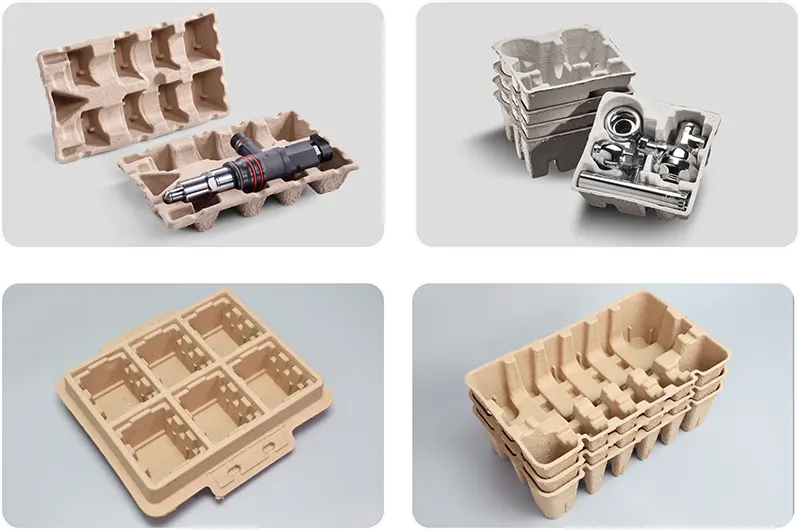
- Precision Design: Customizable molds ensure products are securely protected from transport shocks, reducing damage rates.
- Versatile Raw Materials: Machines can process recycled paper, books, newspapers, and agricultural fibers, reducing material costs while remaining eco-friendly.
- Energy Efficiency and Sustainability: Latest models integrate energy-saving designs with low water and power consumption, meeting U.S. energy efficiency standards.
3. Market Applications
- Electronics & Precision Equipment: Smartphones, laptops, home appliances, and industrial instruments requiring secure transport.
- Food & Beverage: Cake boxes, beverage trays, and packaging inserts combining compression resistance and hygiene.
- Consumer Goods & Cosmetics: High-end gift boxes, skincare, and perfume products needing premium insert solutions.
4. Investment and Partnership Opportunities in the U.S.
- Local Production: Establishing molded pulp insert production lines in the U.S. shortens supply chains, reduces logistics costs, and improves delivery efficiency.
- Corporate Collaboration: Partnering with brands and retailers to provide customized eco-friendly insert solutions enhances corporate green credentials.
- Technology Transfer: Introducing mature molding equipment and automated control technology into the U.S. market boosts capacity, precision, and efficiency.
5. Green Economy and Market Outlook
With ESG, sustainability, and circular economy principles increasingly adopted in the U.S., molded pulp inserts not only reduce environmental pressure but also create differentiated market advantages for brands.
- Environmental Benefits: Significantly reduce plastic waste and promote green transformation in the packaging industry.
- Economic Benefits: Minimize product damage and enhance logistics efficiency, providing long-term cost competitiveness.
- Market Potential: The rapid growth of e-commerce and premium products ensures stable and continuous demand for molded pulp insert equipment.
Conclusion
Molded Pulp Insert Machines provide U.S. businesses with efficient, eco-friendly, and customizable packaging solutions, making them the ideal choice for companies pursuing sustainable growth and competitive differentiation. As market demand continues to rise, investing in molded pulp insert equipment is a prime opportunity to capture the emerging green packaging market in the United States.
 English
  Español
  Français
  ไทย
ไทย