
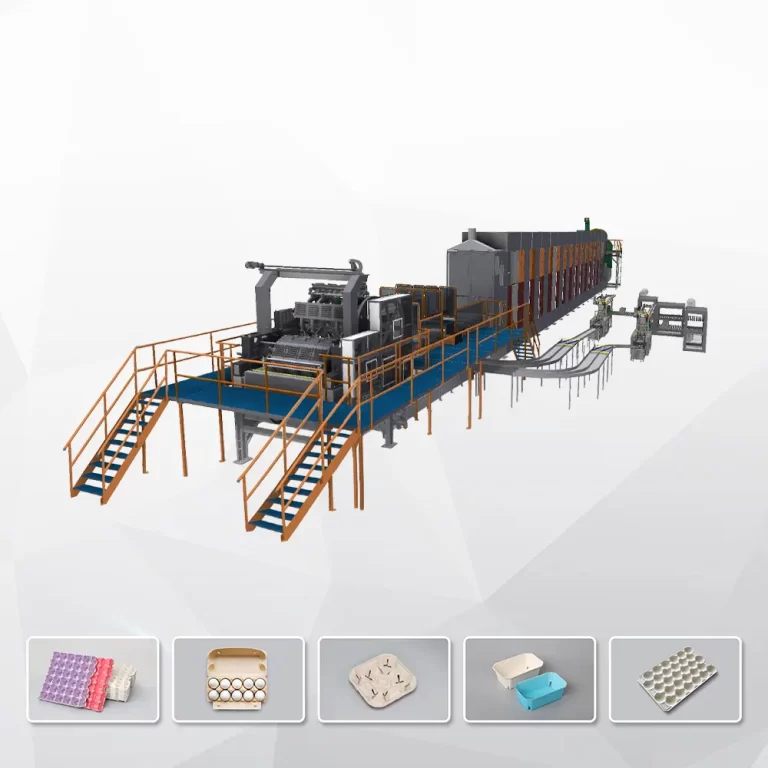
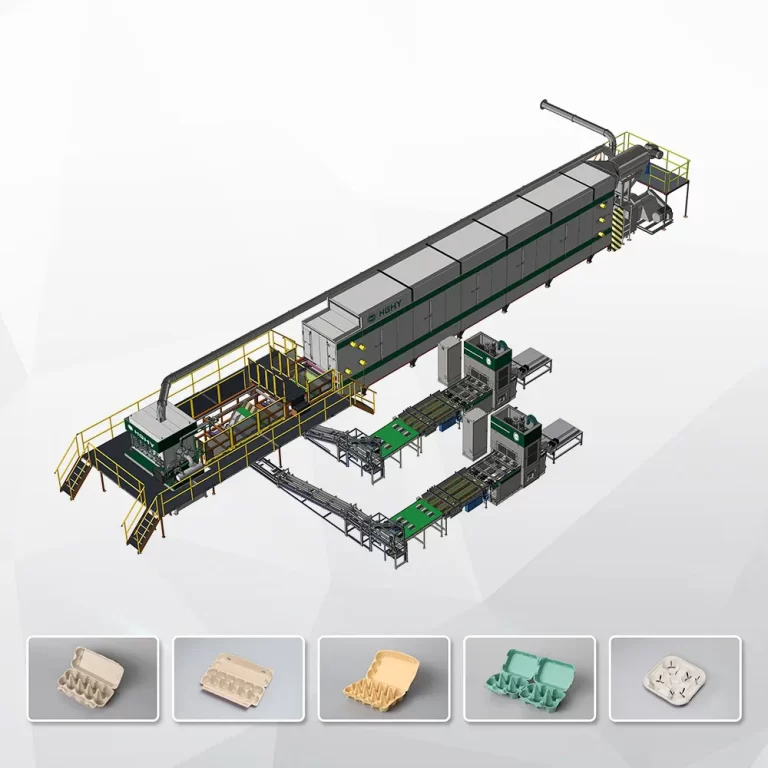
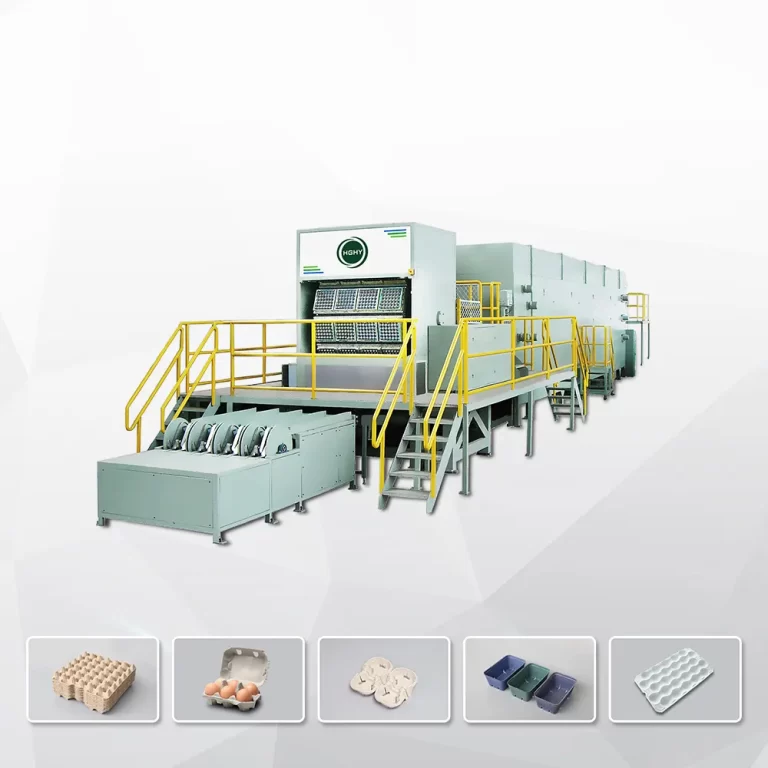

In today’s fast-moving egg processing and packaging industry, efficiency, hygiene, and brand presentation are no longer optional — they are essential. Egg producers and packaging companies are under constant pressure to increase output, reduce labor costs, and meet retail and export standards. Two pieces of equipment sit at the heart of this transformation: the egg tray machine, which produces the pulp molded trays and cartons that protect eggs during transport, and the auto sticker labeling machine, which applies date codes, barcodes, brand logos, and safety information directly onto those cartons and trays. Together, they form a complete, automated packaging line that takes eggs from raw material to shelf-ready product with minimal human intervention.
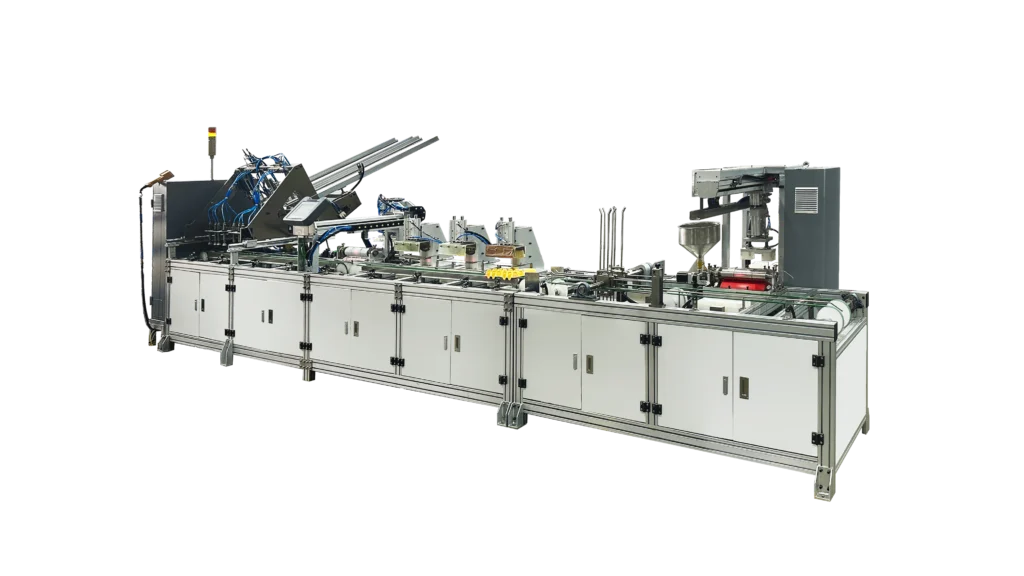
What Is an Auto Sticker Labeling Machine?
An auto sticker labeling machine is designed to automatically apply pre-printed or in-line printed adhesive labels onto egg cartons and trays as they move along a production line. Instead of workers manually peeling and sticking labels — a slow, inconsistent, and labor-intensive process — the machine uses sensors, conveyors, and precision applicators to place labels accurately at high speed.
Typical features include:
- High-speed conveyor system synchronized with carton or tray movement
- Photoelectric sensors that detect the exact position of each carton for precise label placement
- Adjustable labeling heads to accommodate different carton sizes (6-egg, 10-egg, 12-egg, 30-egg trays, etc.)
- Date/batch coding integration, often combined with inkjet or thermal transfer printers for production date, expiry date, and traceability codes
- PLC control systems with touchscreen interfaces for easy operation and quick format changeovers
- Low material waste thanks to precise label dispensing and minimal misfeeds
These machines can label the top, side, or bottom of cartons and trays, and many models are flexible enough to handle both paper pulp trays and plastic cartons.
Why Pair It with an Egg Tray Machine?
An egg tray machine (also called an egg carton machine) manufactures molded pulp trays and cartons from recycled paper, typically waste paper, newspaper, or cardboard pulp. The process involves pulping, forming, drying, and stacking — resulting in a finished tray ready for packing eggs.
While the egg tray machine solves the packaging supply problem, it does not address branding, traceability, or compliance labeling. This is where the auto sticker labeling machine becomes indispensable. By integrating the two systems into a single production line, manufacturers gain several advantages:
- End-to-end automation — trays are formed, dried, and labeled without manual handling between stages, reducing contamination risk and labor costs.
- Consistent branding — every carton leaving the facility carries a uniform, professional-looking label, strengthening brand identity in retail environments.
- Regulatory compliance — many countries require egg cartons to display production dates, best-before dates, farm codes, or grading information. Automated labeling ensures this is applied accurately and consistently, every time.
- Faster turnaround — combining tray production and labeling into one continuous workflow shortens the time from raw material to finished, market-ready product.
- Scalability — as order volumes grow, an integrated line can be scaled up (faster tray-forming molds, higher-speed labeling heads) without redesigning the entire process.
Typical Production Line Layout
A well-designed egg packaging facility often follows this sequence:
- Pulp preparation — waste paper is broken down into pulp slurry
- Egg tray machine — pulp is molded into tray or carton shapes, then dried (via natural air-drying line, metal mold hot-pressing, or drying room)
- Trimming and stacking — finished trays are trimmed and stacked automatically
- Auto sticker labeling machine — labels with branding, barcodes, and date codes are applied to the finished cartons
- Final packing and palletizing — labeled cartons are packed for shipment or sent directly to egg-filling lines
This layout minimizes manual touchpoints, which is particularly valuable for food-contact packaging where hygiene standards are strict.
Choosing the Right Equipment
When selecting an auto sticker labeling machine to pair with an egg tray production line, buyers should consider:
- Compatibility with carton dimensions and materials (pulp trays vs. plastic cartons)
- Production capacity matching — the labeling machine’s speed should align with the egg tray machine’s output to avoid bottlenecks
- Label type support — some machines handle only pre-printed rolls, while others integrate real-time printing for variable data (batch numbers, dates)
- Ease of changeover — quick-adjust guides and recipe storage on the PLC reduce downtime when switching between carton sizes
- After-sales support and spare parts availability, especially important for continuous production environments
Conclusion
For egg producers, packaging manufacturers, and export-oriented businesses, combining an egg tray machine with an auto sticker labeling machine is a practical step toward full production automation. The egg tray machine handles the manufacturing of durable, protective packaging, while the labeling machine ensures every carton meets branding, traceability, and regulatory requirements — all without added labor costs. As demand for efficient, hygienic, and professionally packaged eggs continues to grow, this pairing offers a scalable, reliable solution for businesses looking to modernize their packaging lines and stay competitive in both domestic and international markets.
 English
  Español
  Français
  ไทย
ไทย